One platform. It grows on your terms.
IMP carries the working record end to end: written in the field, disclosed to the Crown, visible to command. Fully integrated with your mission-critical systems, or with IMP’s own CAD and RMS.
Good afternoon, Jade
Start your shift to begin creating notes
Cst. J. Moreau
Badge 20417 · Platoon B
Starting your shift
Setting everything up
- Loading shift data
- Fetching forms
- Ready to go







Four things it does on every call.
The same record, from the moment an officer writes it to the moment the Crown reads it. No retyping, no scanning queue, no second system to keep in step.
Written once, at the point of collection.
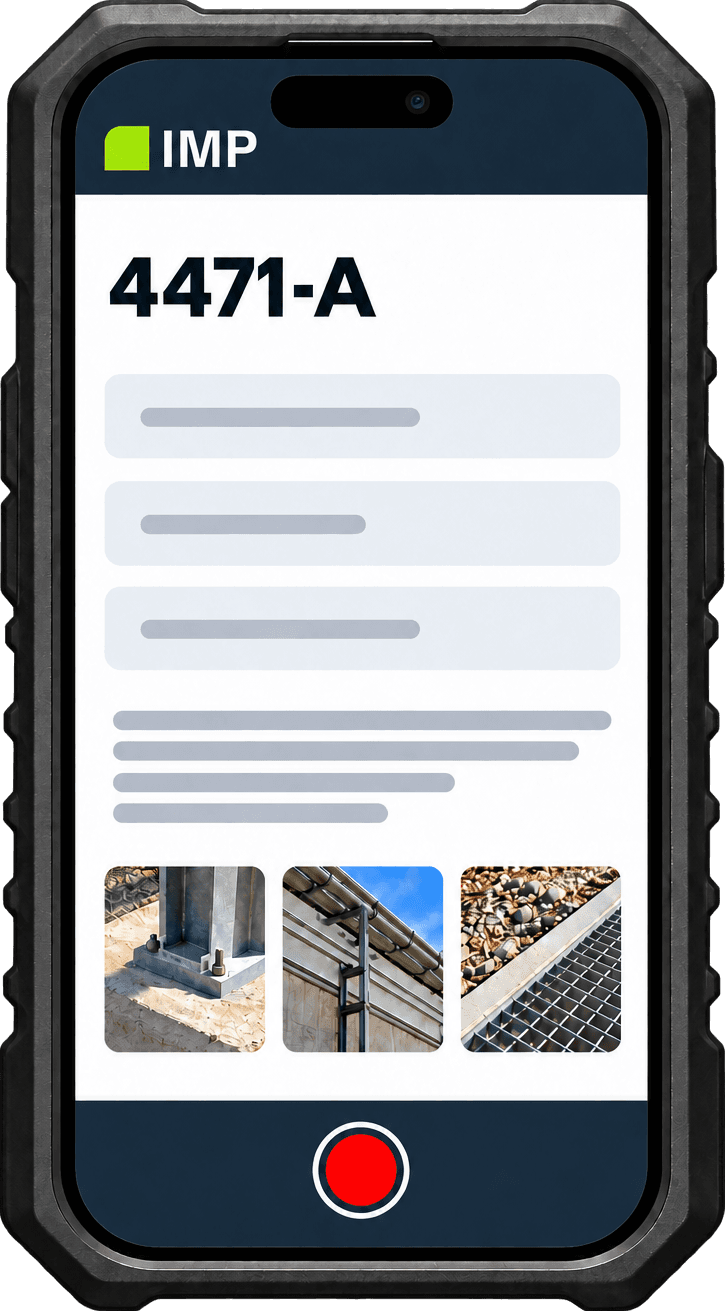
- 01Speak it or type itVoice to text for hands-free notes, so a statement gets down while it is still being said.
- 02Scan the licenceThe barcode fills the driver's details in seconds instead of five minutes of transcription at the roadside.
- 03Sketch it, record it, attach itA sketch pad for scenes, voice recordings for statements, and photos held against the occurrence they belong to.
The call details arrive already filled in.
- 01CAD flows inCall type, time and address come straight from dispatch, so nobody re-enters what the system already holds.
- 02Records flow outA finished note pushes through to your RMS from wherever the officer is. There is no scanning step in between.
- 03Checked before it movesAutomated checks catch the duplications and transposition errors that used to surface weeks later.
It reaches the Crown on time.
- 01Demands read as writtenThe statutory wording is on the screen at the roadside, and the response is recorded with the time the moment it is given.
- 02Every answer from a listStatus and result are chosen, not typed, so the record is legible the first time and there is no wording to argue with later.
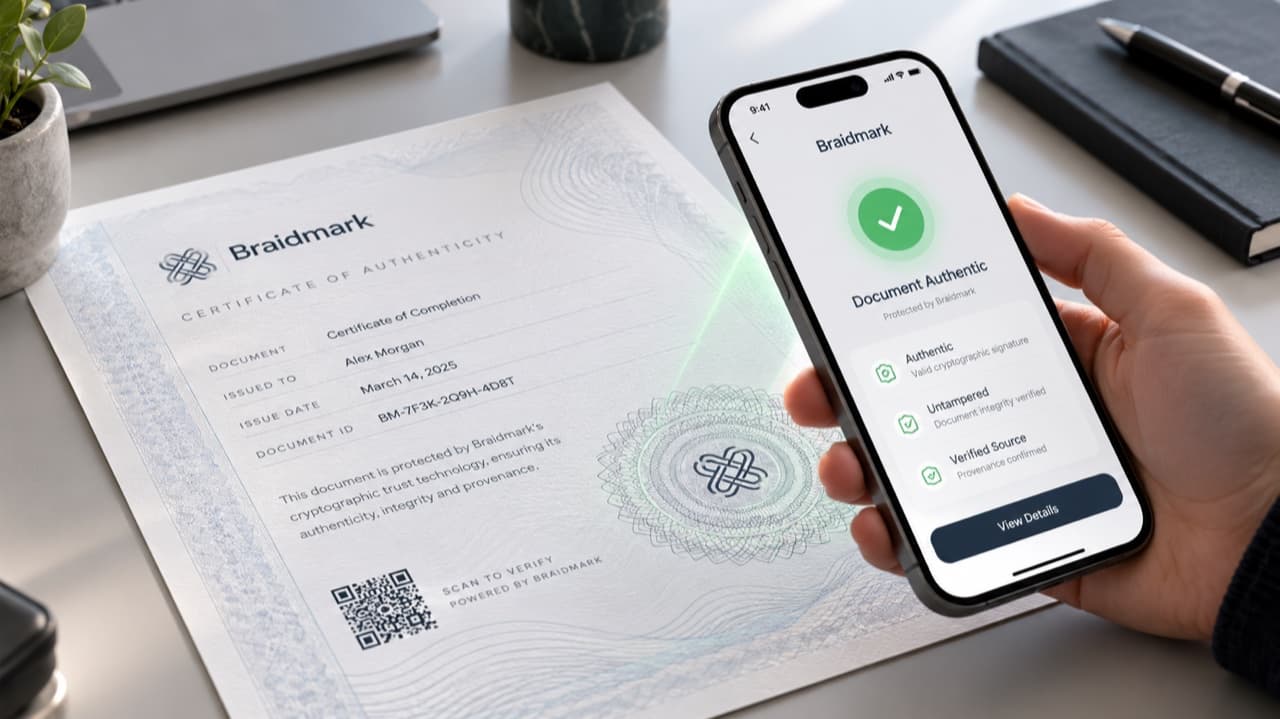
- 03Tamper proof recordsBraidmark's markers and wave patterns run through each record, so it cannot be altered without the change showing on the document itself.
I demand that you provide a sample of your breath into an approved screening device,
to enable a proper analysis of your breath to be made, and that you accompany me now
for this purpose.
Do you understand?
Supervisors can see the shift, not chase it.
- 01Compliance at a glanceThe admin portal shows note-taking across the shift in real time, instead of after the fact.
- 02Workload where it fallsSee how activity sits across districts and teams, so the picture is current rather than monthly.
- 03Less written off shiftOfficers finish notes on the call, which is what pulls paperwork back out of overtime.
Not a phone app. The whole shift.
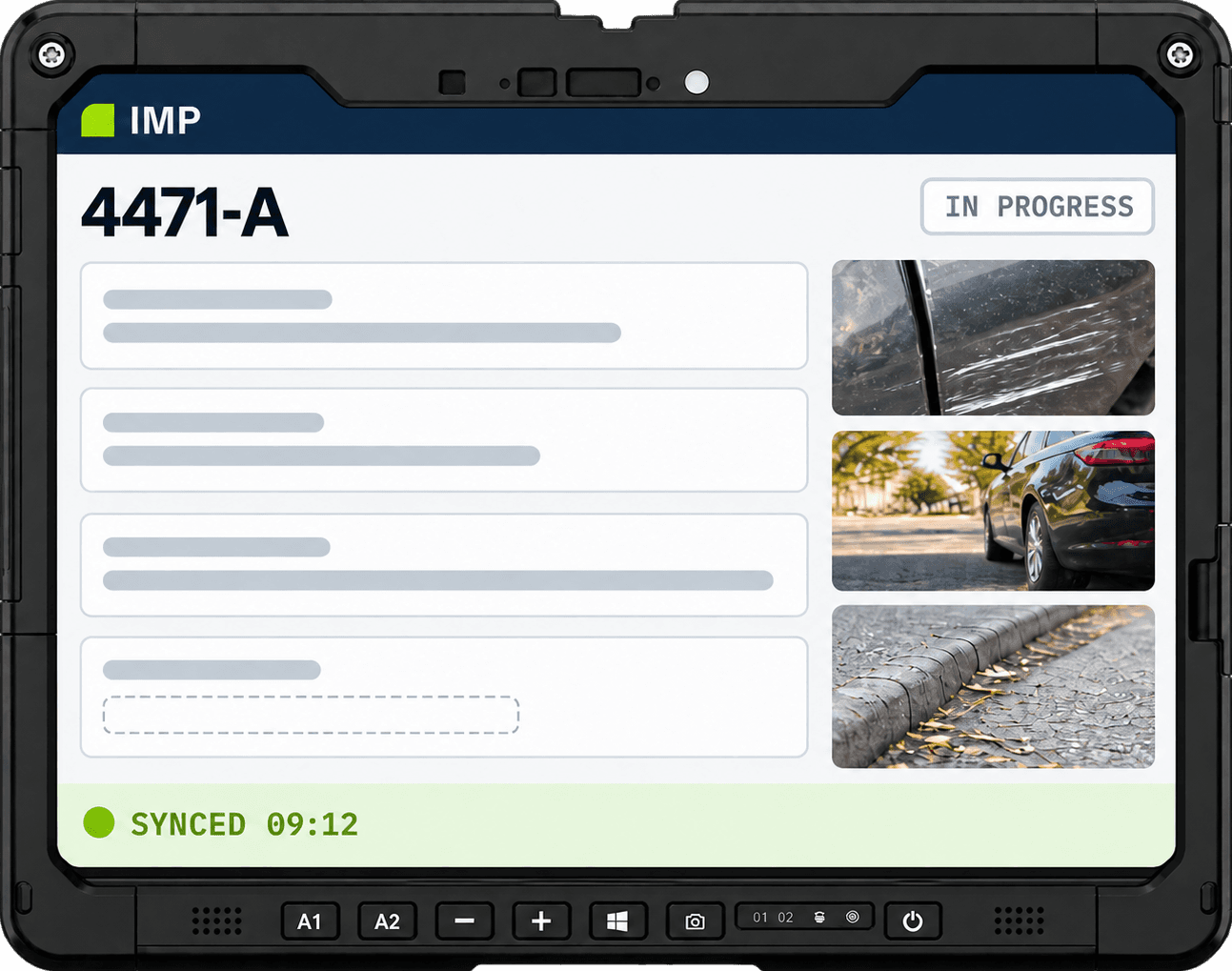
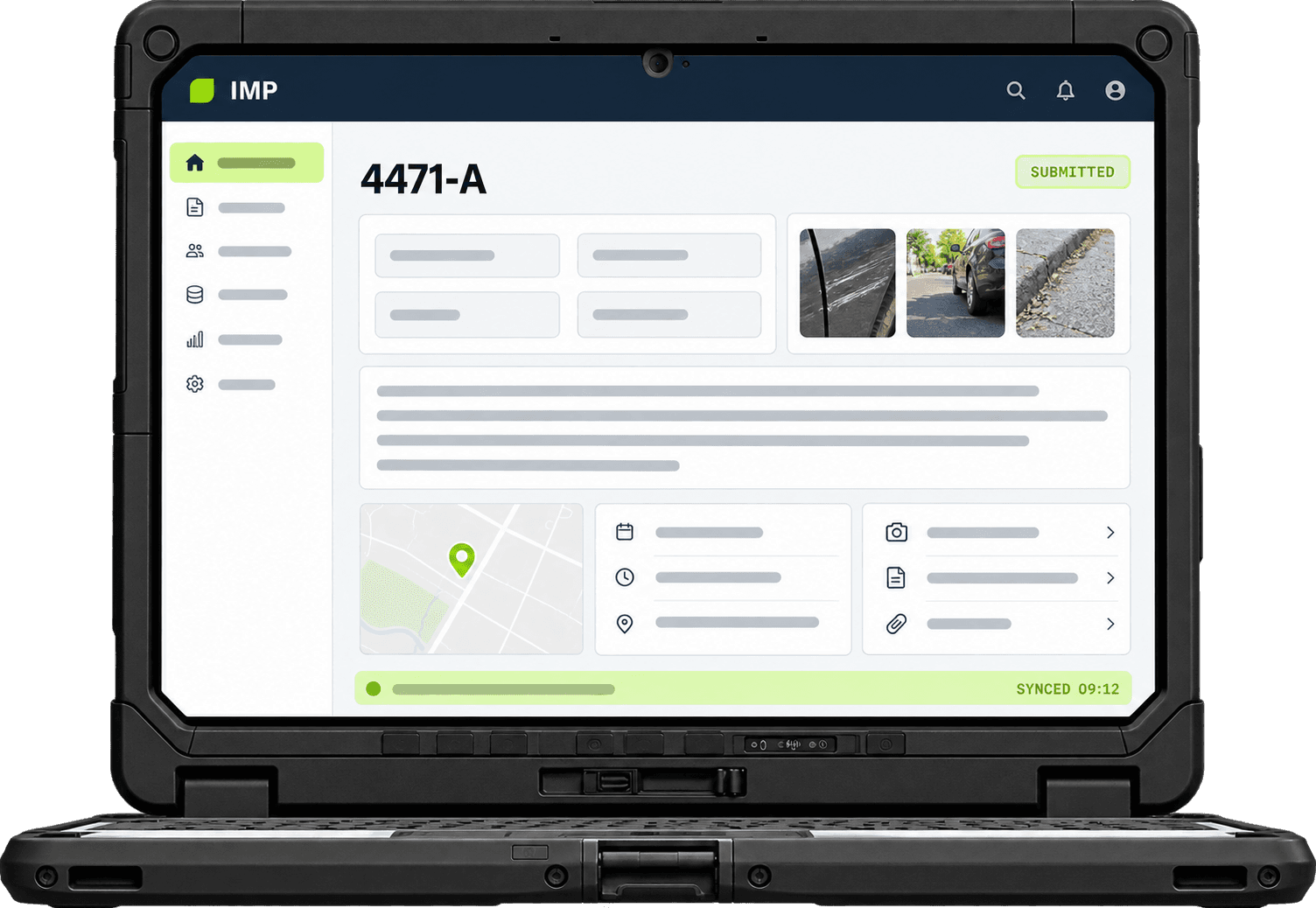
Start a note on a phone at the roadside, carry on from a tablet in the car, and finish it at a desk before end of shift. One record, moving with the officer, with nothing typed a second time.
Built by people who did the job.
Talk to usOne system, working together.
Every service starts with notes. What you add after that is your call, and it is the same platform either way.
Talk to us about a rollout →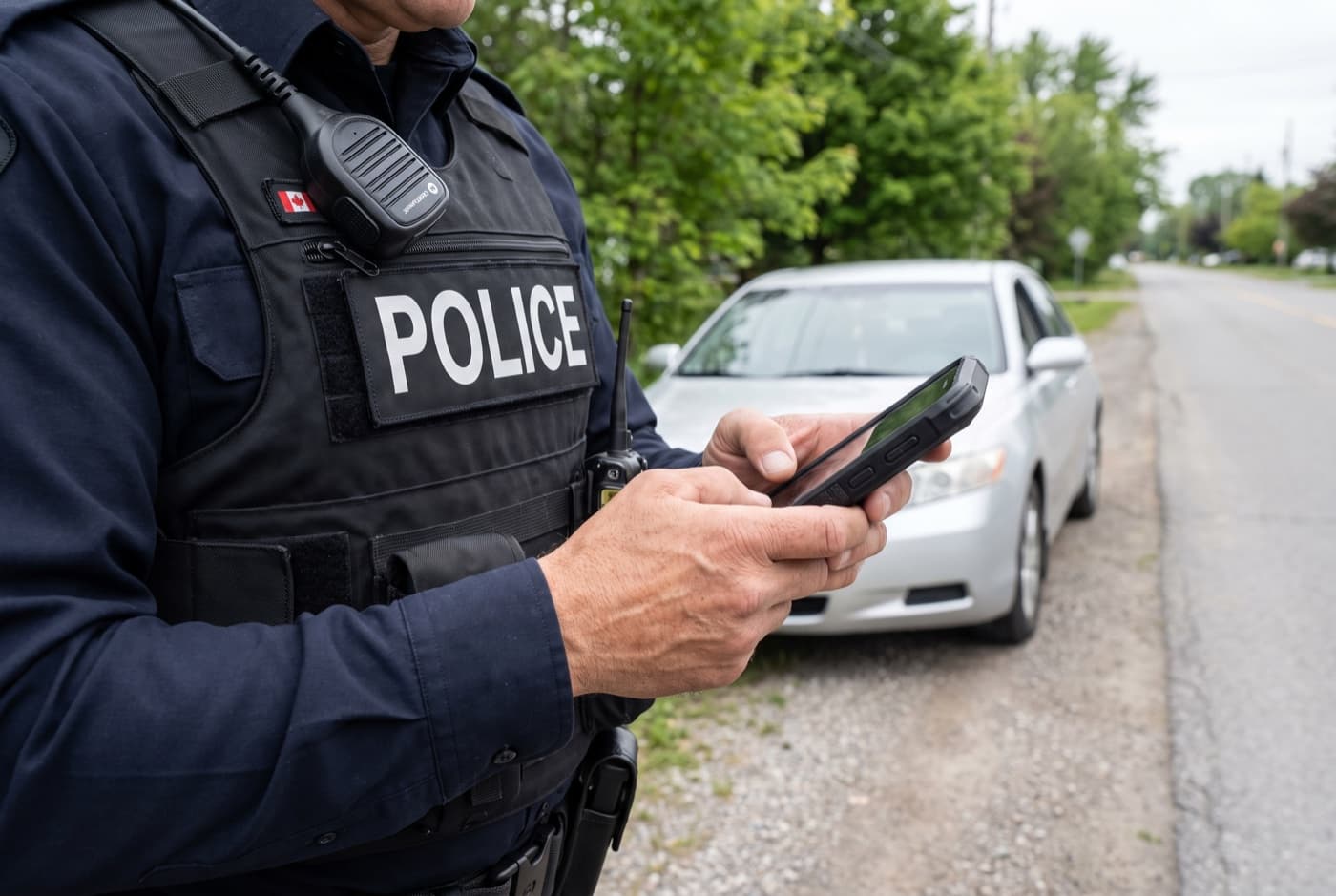
eNotes
The digital notebook at the point of collection, pushing straight through with no scanning step.
Investigations
Case work built on the record the officer already wrote, so nothing is rekeyed on the way to an investigator.
Analytics
Reporting built on the records your service already writes, so trends are visible without exporting anything into a separate tool.
Redaction tool
Take out what cannot be shared before a record goes out, without rebuilding the document around it.
Dispatch
DMI's own CAD, for services that want to consolidate onto one stack over time. Never a condition of using IMP.
Records
DMI's own RMS, on the same terms. Add it if it suits you, or keep the RMS you already run.
One investigative team, one case file.
IMP Investigations is its own solution on the same platform. Notes written by different people on the same case land in one central record, so an investigator opens the file and reads the whole picture instead of chasing three notebooks.
Three contributors, one record, nothing rekeyed.
What an investigator opens in a day
- Case management
- Open and close cases
- Compile case notes and build case books
- Access evidence
- Shared intel
- Instant search
- Central notes
Plus every other tool available to frontline eNotes users.
Talk to us about Investigations →It does not stop when the signal does.
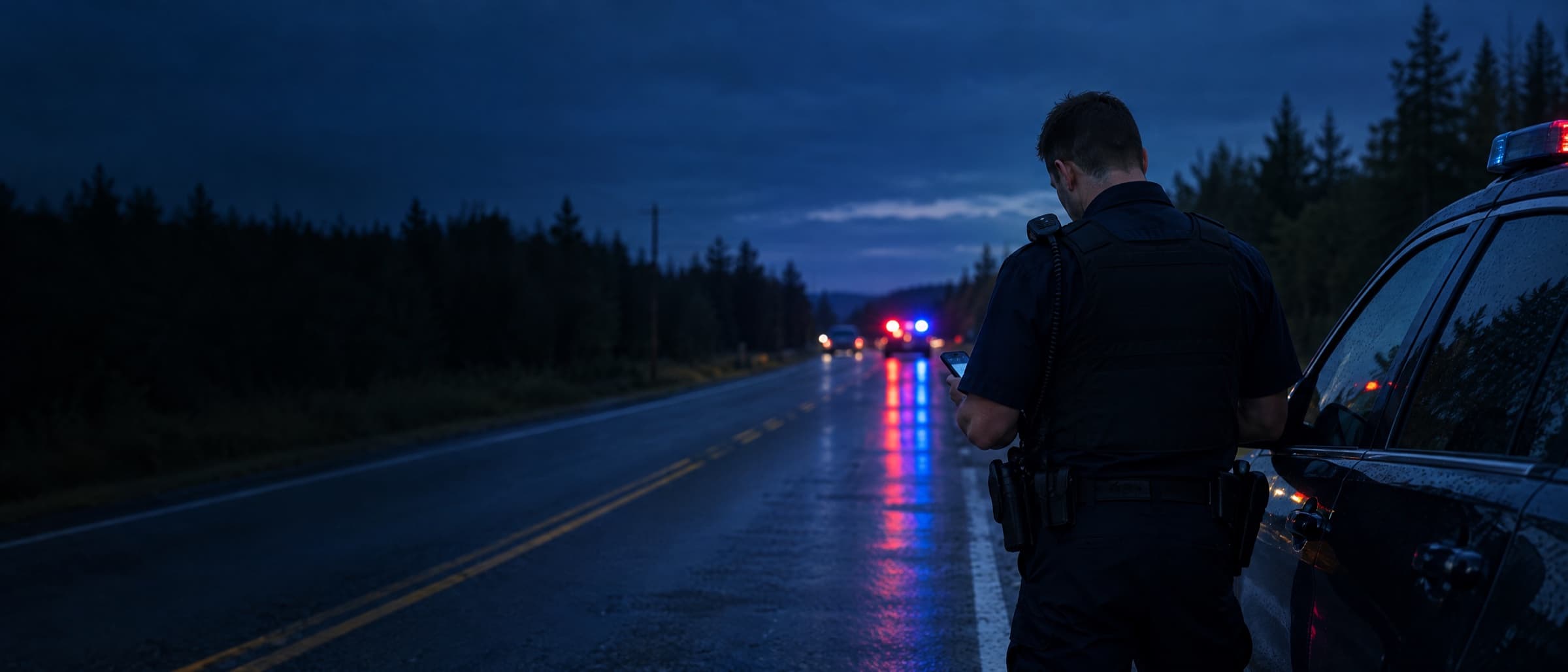
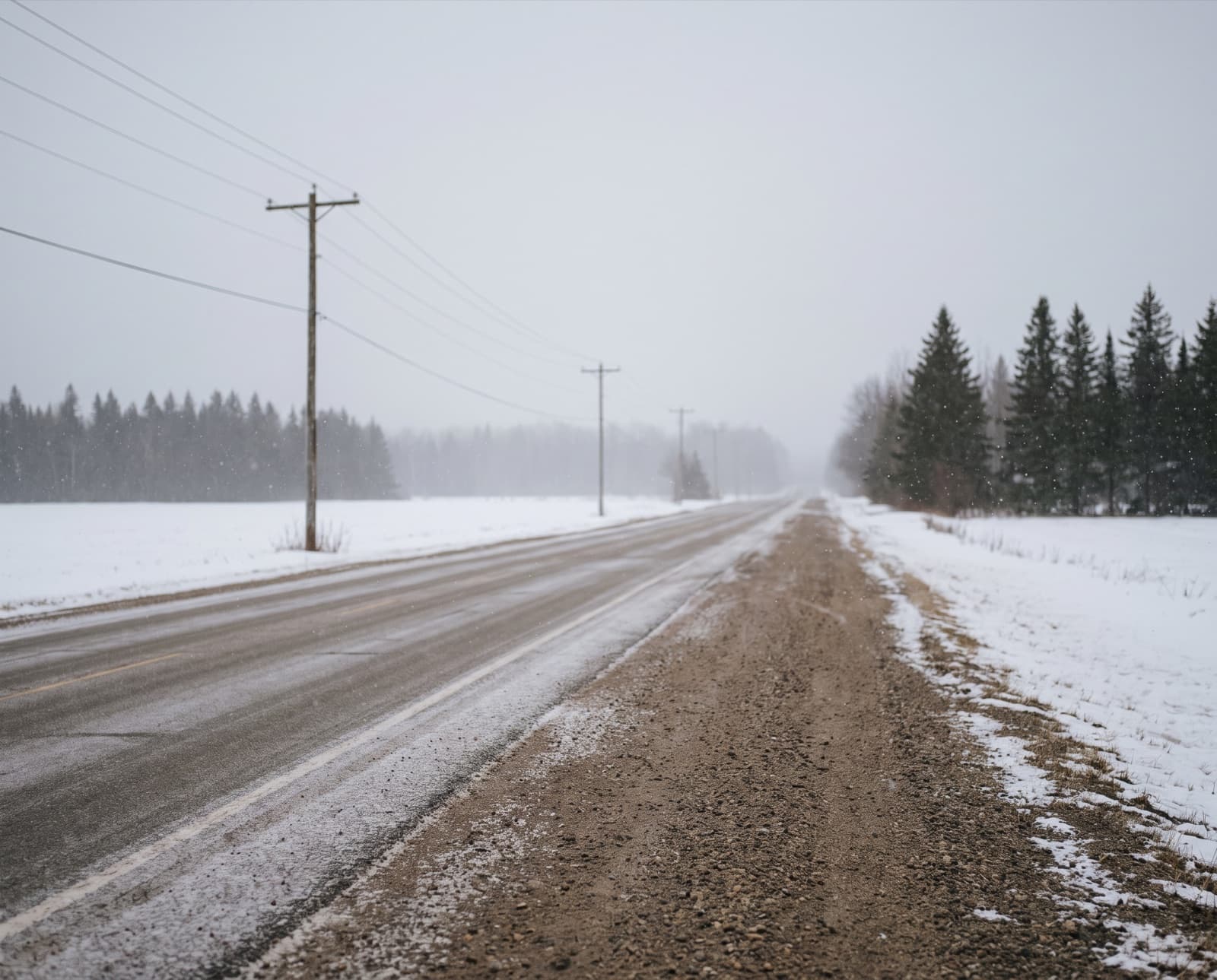
Rural roads, underground garages, concrete stairwells and Canadian winters are not edge cases, they are Tuesday. Officers keep writing, keep attaching evidence and keep finalizing. The moment a connection returns, everything syncs on its own.
Four solutions that plug straight in.
Separate products with their own job to do, each one adopted on its own, so taking one is a decision, not a migration.
 Evidentiary integrity
Braidmark
A patented cryptographic trust technology. AI-generated randomized markers and unique wave patterns protect and verify the authenticity, integrity and provenance of a document and everything in it.
Explore Braidmark →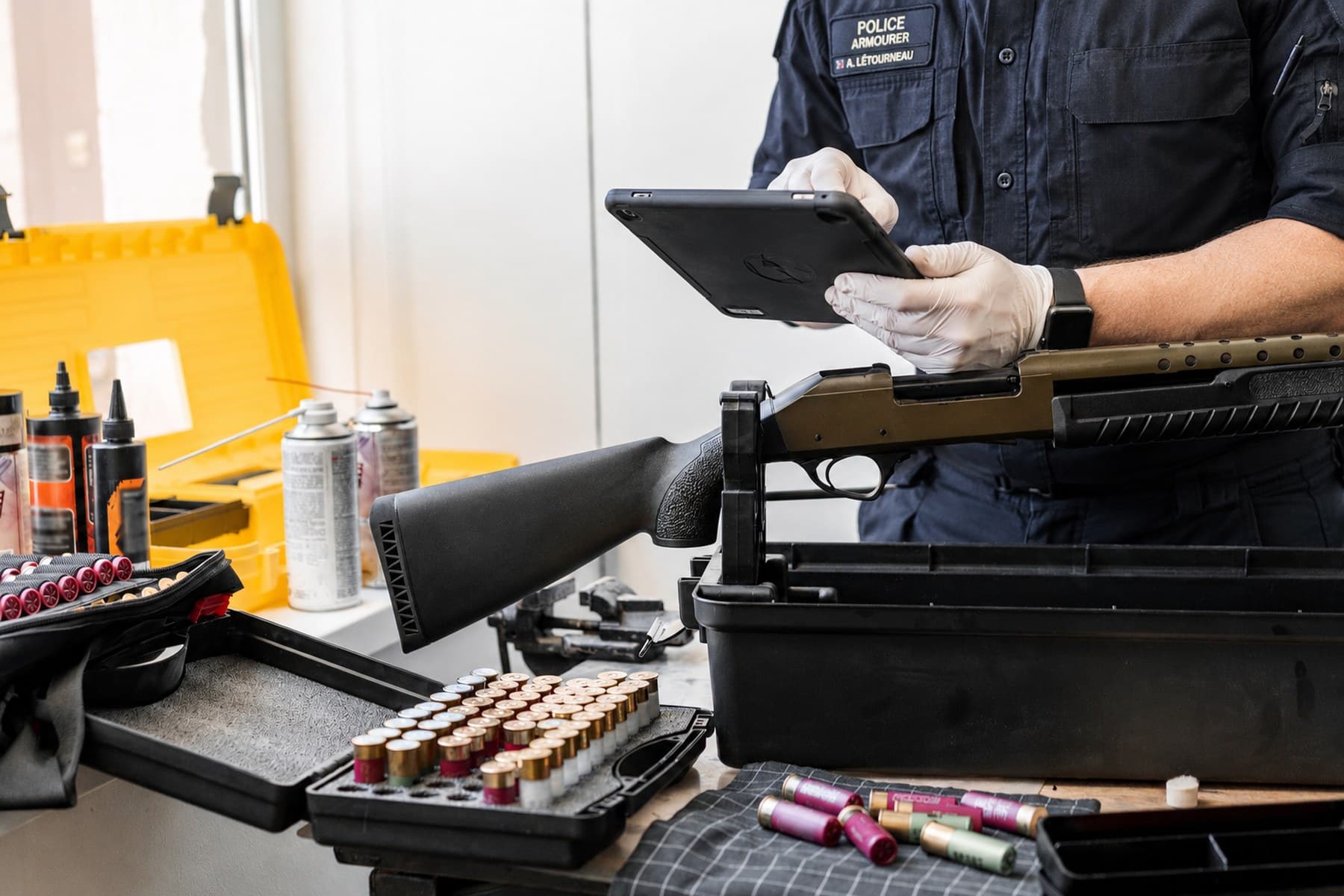 Equipment lifecycle
TRACE
Tactical equipment lifecycle management for specialty units. Tracking, accessories, maintenance schedules and audit readiness, built by the same practitioners.
Explore TRACE →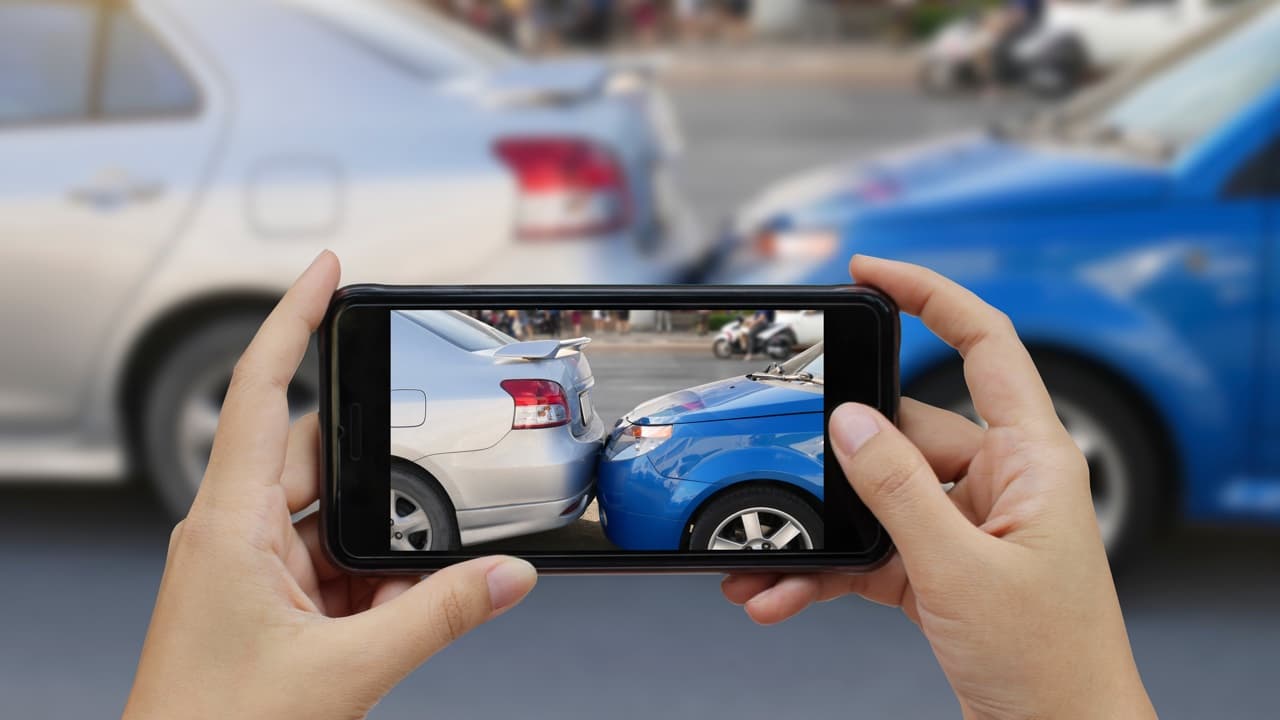 Mobile Collision Reporting
MCR
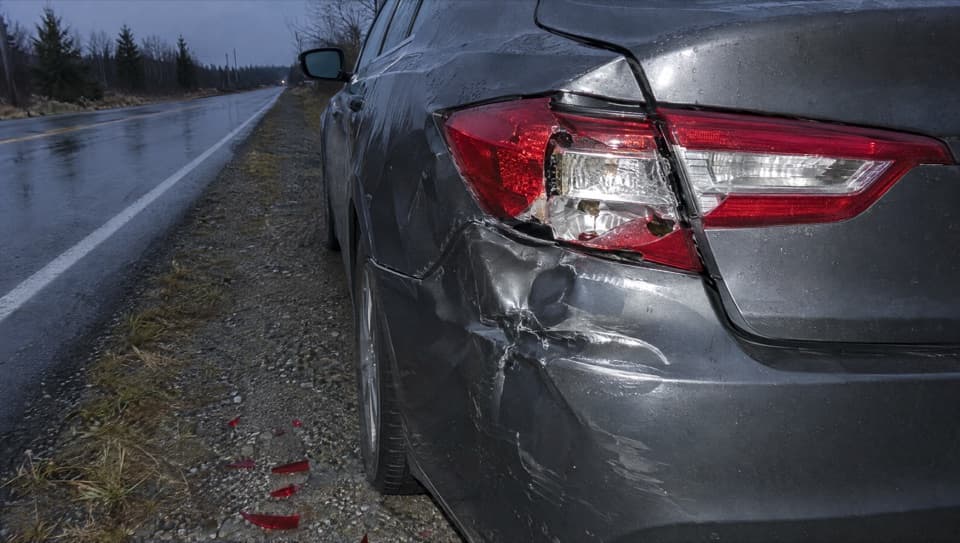
Drivers file a minor collision from the roadside. The service vets the report, links it to the CAD call and imports it to the RMS. The insurer gets a verified claim, and nobody drives to a reporting centre.
Explore MCR →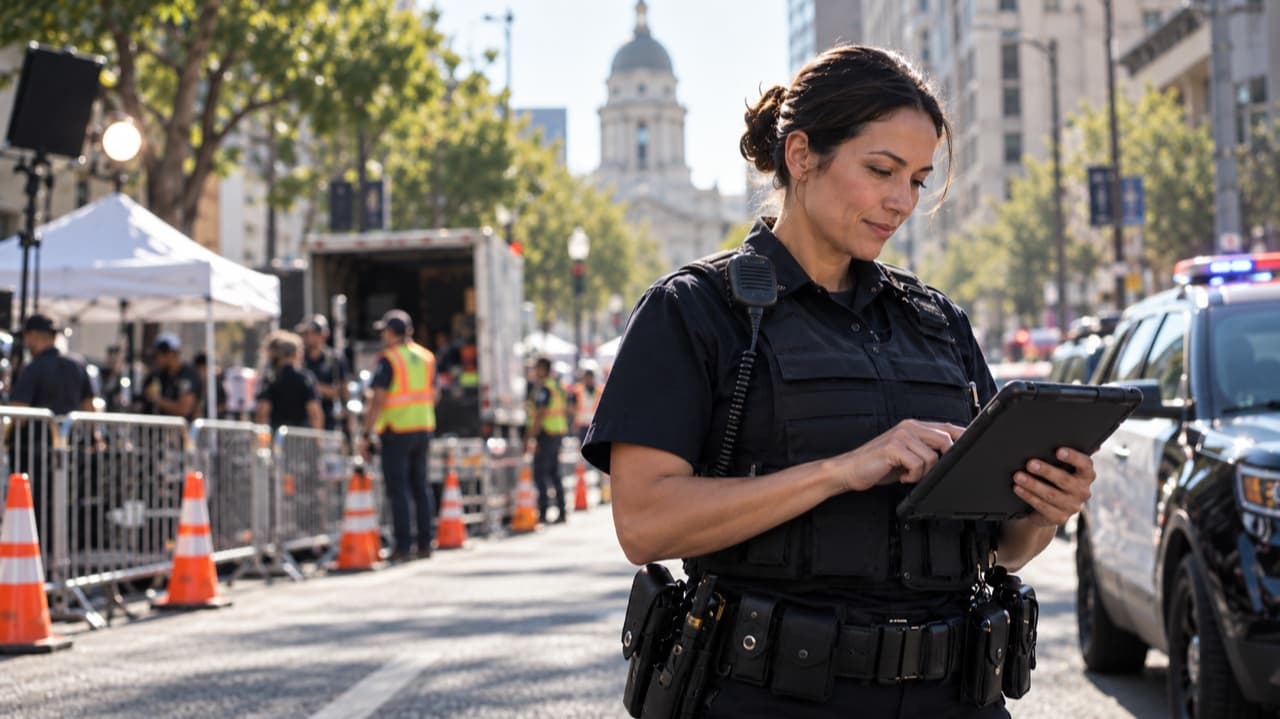 Paid duty booking
DMI Paid Duty
A public portal for requesting officers, an agency portal for assignment and invoicing, and a fair bidding process for the officers who take the work.
Explore Paid Duty →Connected, not captured.
Every other vendor in this market grows by making it expensive to leave. IMP grows by being worth staying on.
It adapts to the way you work.
Get the paperwork off the shift.
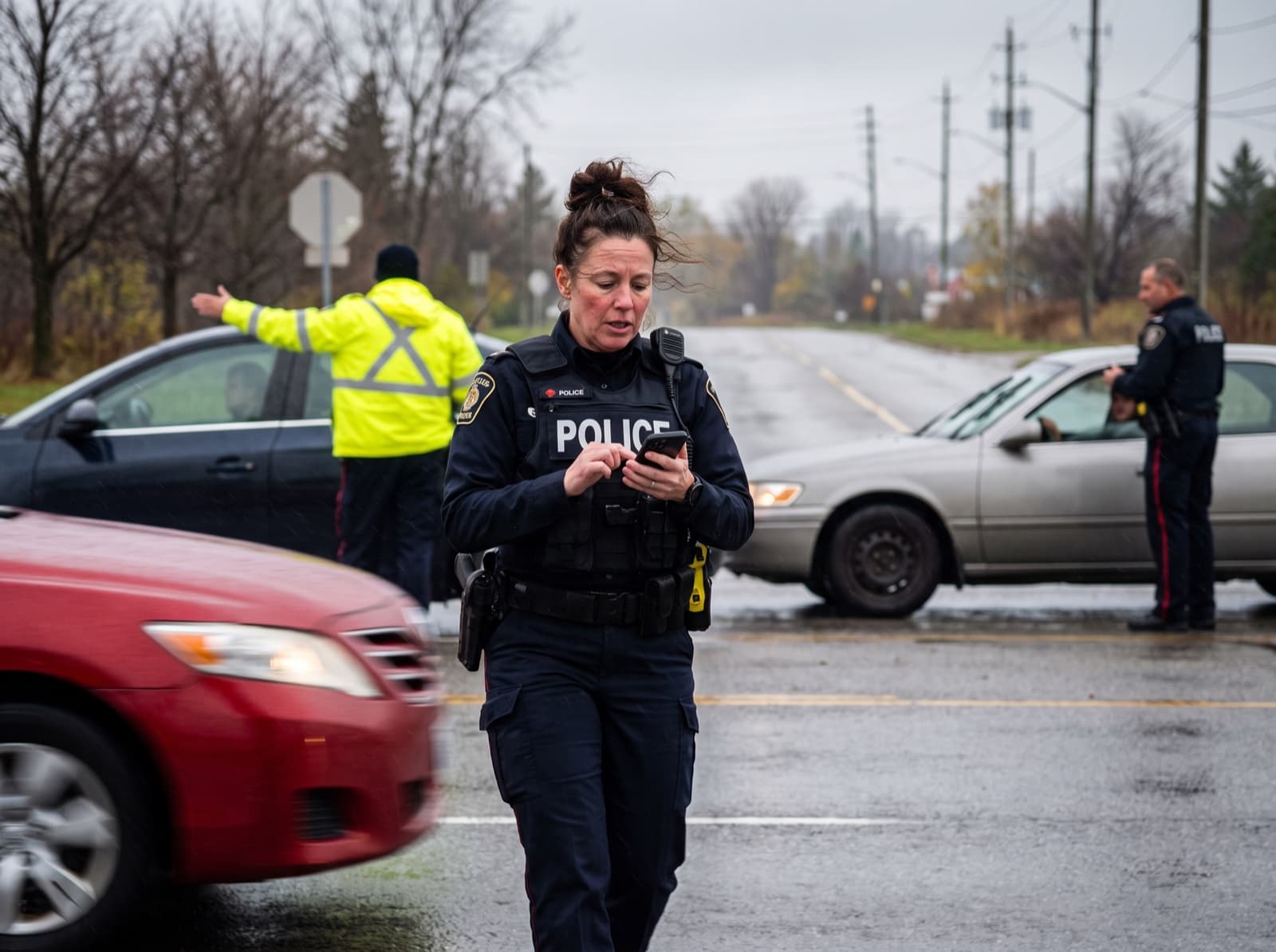
Frontline notes, investigations and disclosure on one record. The scanning queue disappears, the Crown gets legible notes on time, and the hours go back to the road.
Enforcement that stands up at a hearing.
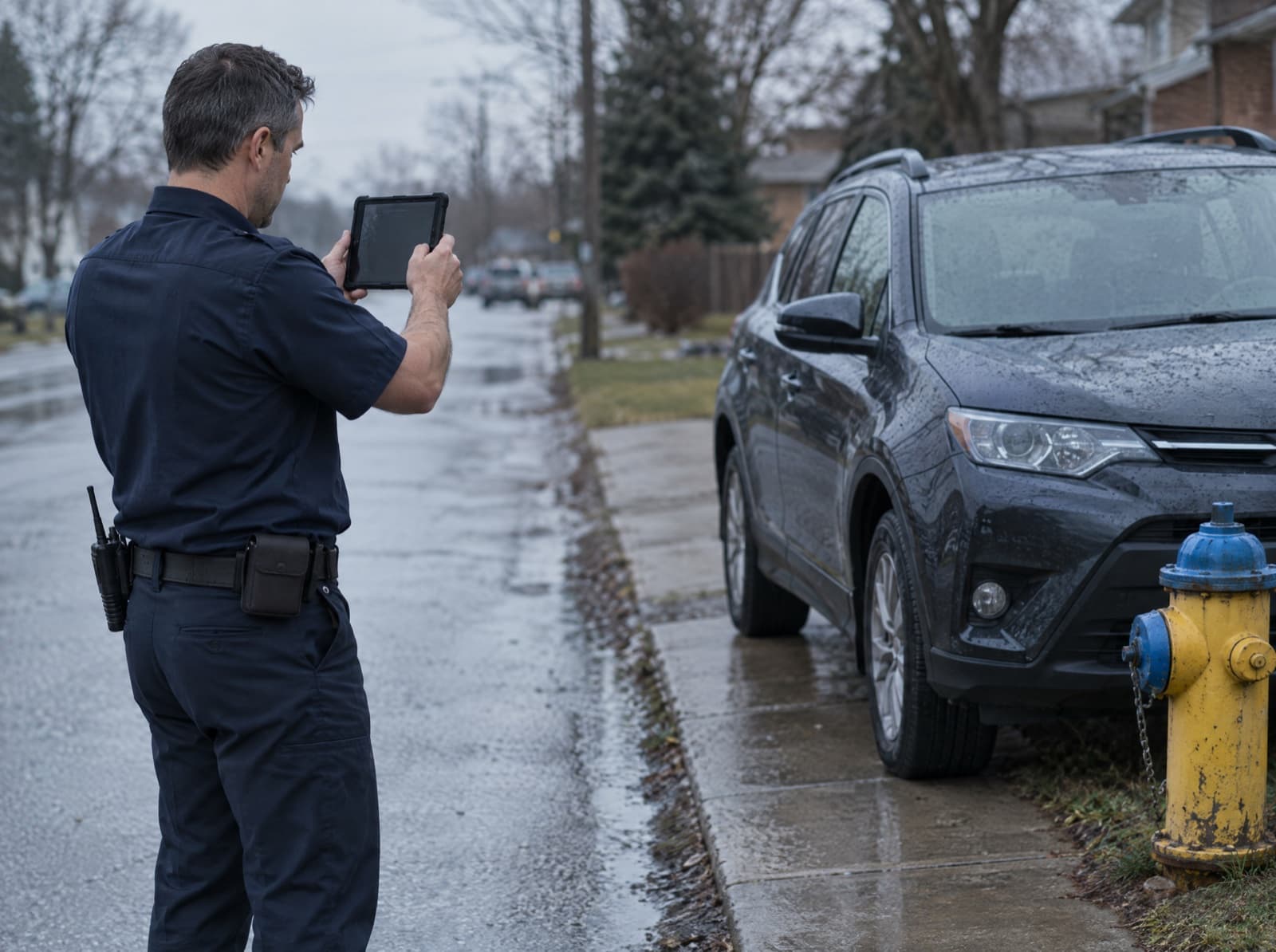
Officers record what they saw where they saw it, with the time and place attached. The file is ready when the dispute arrives, rather than reconstructed after it.
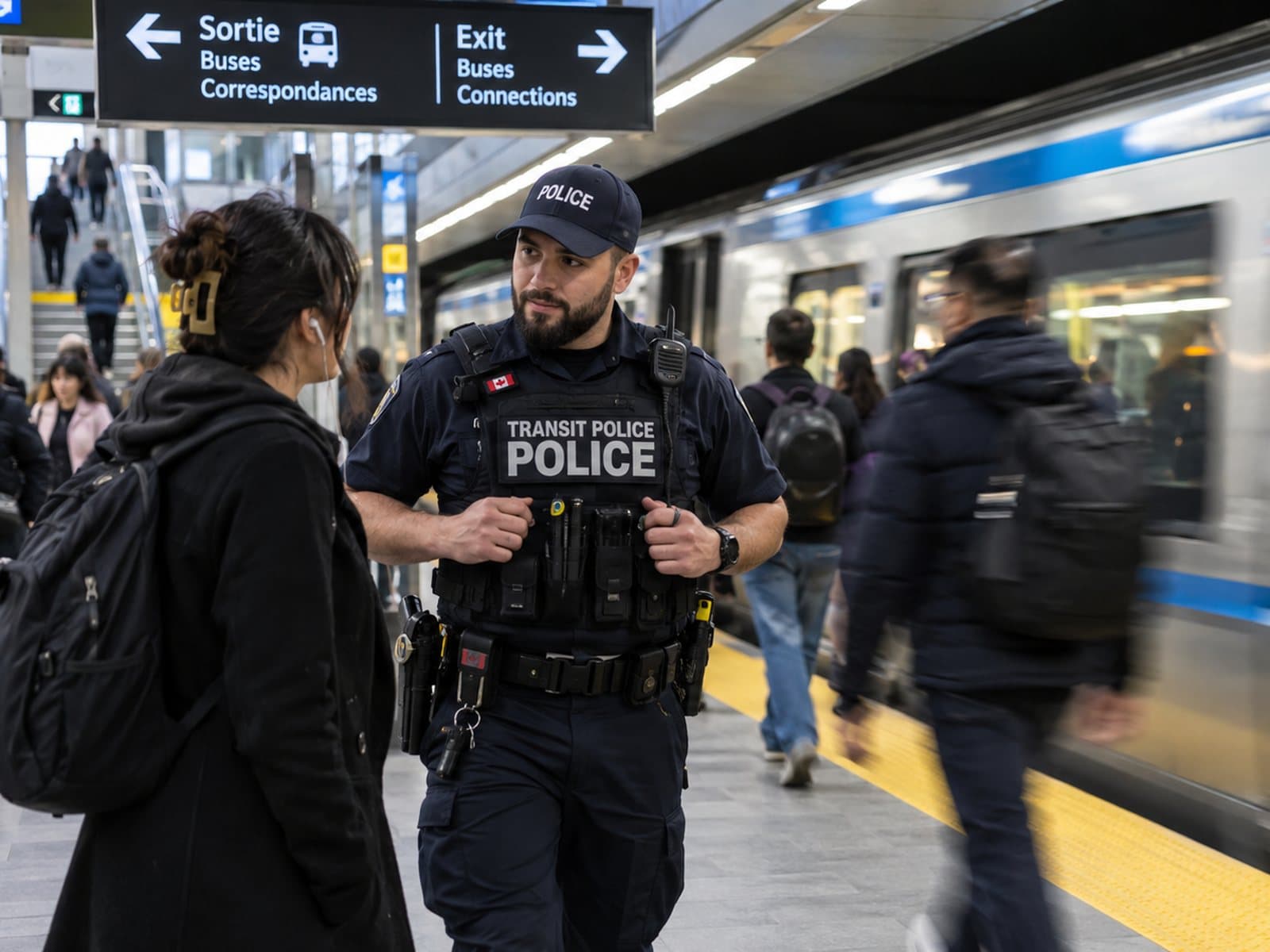
A record that moves with the network.
Officers work across stations, platforms and vehicles where connectivity comes and goes. Notes are written and finalized offline, then sync the moment there is a signal.
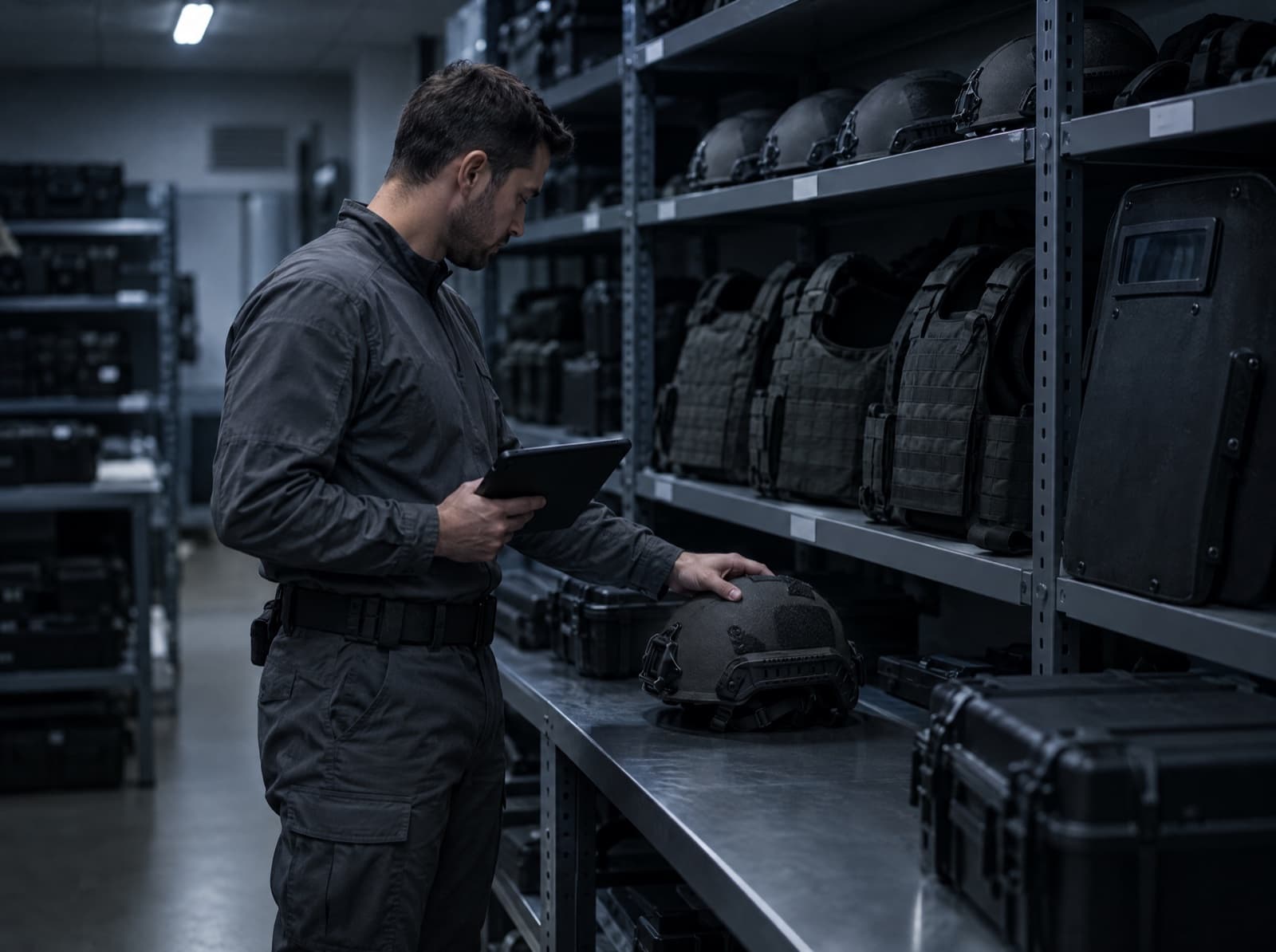
Know where every piece of kit is.
Specialty units carry equipment that has to be tracked, maintained and accounted for. TRACE handles the lifecycle, and IMP holds the record of what happened on the call.
See what it would do for your service.
We will walk you through the platform, what a first deployment looks like, and what it takes to start with notes and grow from there.